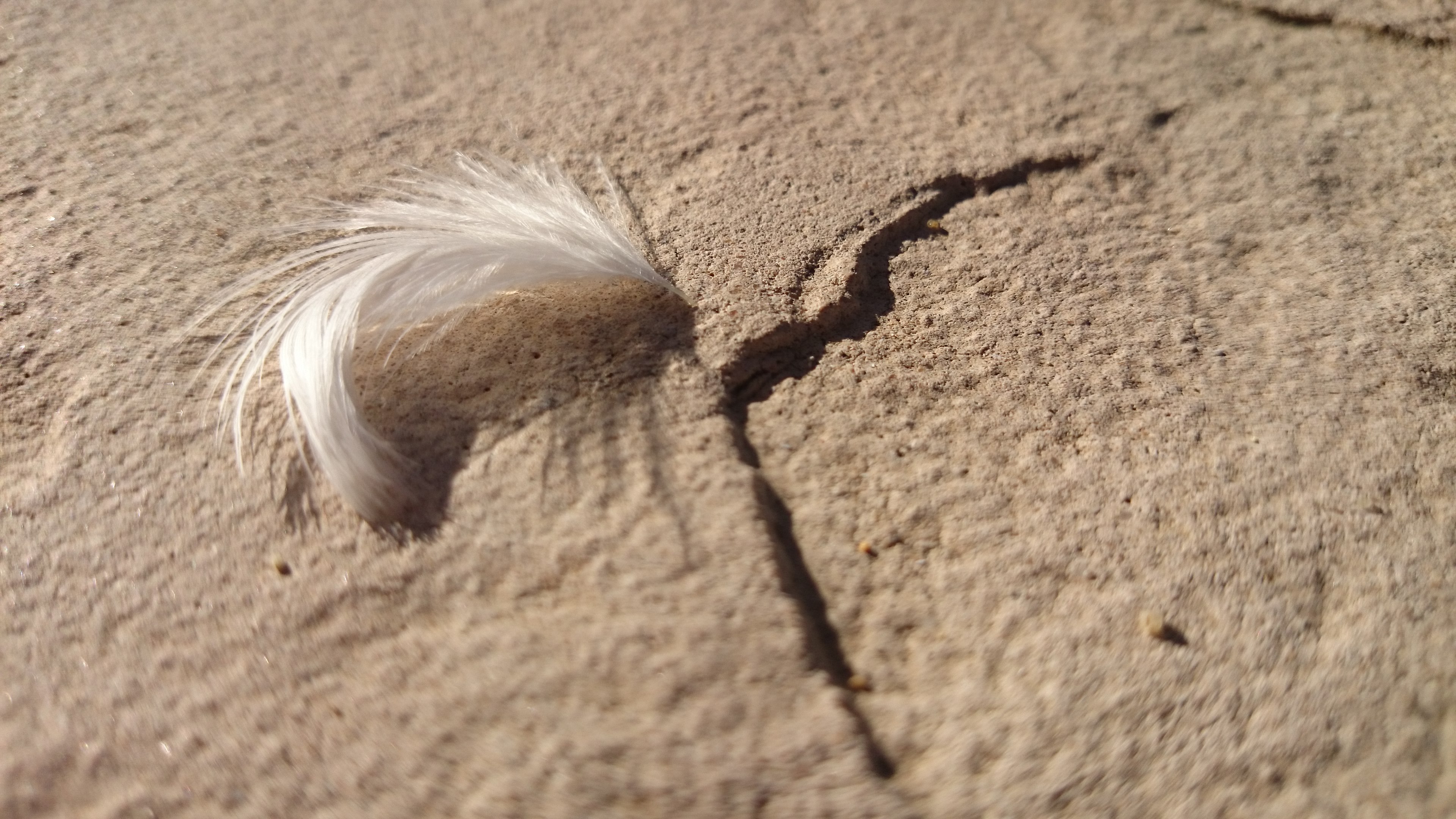
Questions with no answers

image

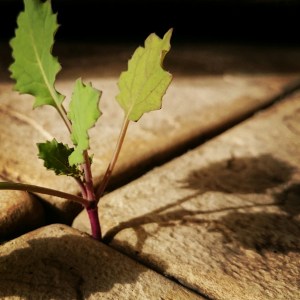
“Indeed, the only truly serious questions are ones that even a child can formulate. Only the most naive of questions are truly serious. They are the questions with no answers. A question with no answer is a barrier that cannot be breached. In other words, it is questions with no answers that set the limit of human possibilities, describe the boundaries of human existence.” – Milan Kundera, The Unbearable Lightness of Being.

Posted from WordPress for Android

The day Dickinson got rapped

So there I am with my unruly pack,  in the library,  to read. Yeah right!

A handful of serious readers are face-planted in their novels. The rest,  the other 22, form clutches sprawled around our awesome student friendly reading room. Here three boys each have a copy of Guinness World records and they share bizarre facts,  a competition to see who can find the grossest recorded fact. They’re engaged,  all good.

Over there two students are doing some strange yoga or getting comfortable, too early to tell. There five students are draped over the comfy floor cushions,  giant multi-coloured squashed marshmallows. They’re reading magazines and graphic novels. One student is going the extra mile and reading his book upside down, a copy of “Where’s Wally?”.

Two girls are cocooned in the reference section, almost asleep. Lucky them!  Then there are the boomerang gang. They keep coming back with new ways of testing my ingenuity and patience.
Fancy a game of poker with us?  Tom winks while dealing to Steve.
I’ll show you a trick sir,  then we’ll read,  ok?
I say okay like it’s my decision. The trick is good,  really good but I don’t say wow! Not yet.
One more? Tom says.
One more, and tell you what,  I’ll read to you. Deal? I ask.
Deal! They echo in unison.

True to their word they do the trick, make the queen of hearts reappear, drop the cards into the plastic box and lok at me expectantly.

Tom, you’re the musician, beat-box for me I say. I happen to have my poetry anthology open at an Emily Dickinson poem, should be interesting to say the least.

wpid-dsc_0611.jpg

Tom begins a rhythmic tapping of the table, sounds his tchook, tsk, pututt …

                                               Because I could not stop for Death –
                                               He kindly stopped for me –
                                               The Carriage held but just Ourselves –
                                               And Immortality

I’m more shocked at how well Dickinson lends herself to rap than the sudden attentiveness of students. We do another stanza and another and now i’ve created more noise than all of the students i’ve been shushing since we arrived. Somehow it seems ok. I page through my anthology screening lines for rhyme. Lord Byron …

                                                             And thou art dead, as young and fair
                             As aught of mortal birth;
                                                               And form so soft, and charms so rare,
                             Too soon return’d to Earth!
                                                              Though Earth receiv’d them in her bed,
                              And o’er the spot the crowd may tread
                                                                                      In carelessness or mirth,
                              There is an eye which could not brook
                                                                           A moment on that grave to look.

It’s a revelation, I think I get rap! It’s awesome! I feel like a kid discovering sherbet for the first time. I have a selfish thought, if they’ve learnt nothing, stuff it – that was amazing.

Soon it’s time to pack away and on their way out two girls are jiving to a line of Byron while Tom slaps Colin’s head in lieu of a table.
Thanks for the lesson sir, they shout after me…

Thank you all I reply.
On the way home I’m rapping the witches scene from Macbeth
fair is foul
and foul is fair
Hover through the fog
and the filthy air…

staccato beats on the steering wheel, foot tapping, in minutes my heart rate is up and and I’m smiling wide, this has got to be good for me. Does this mean I’m a bro in the hood? Too far?

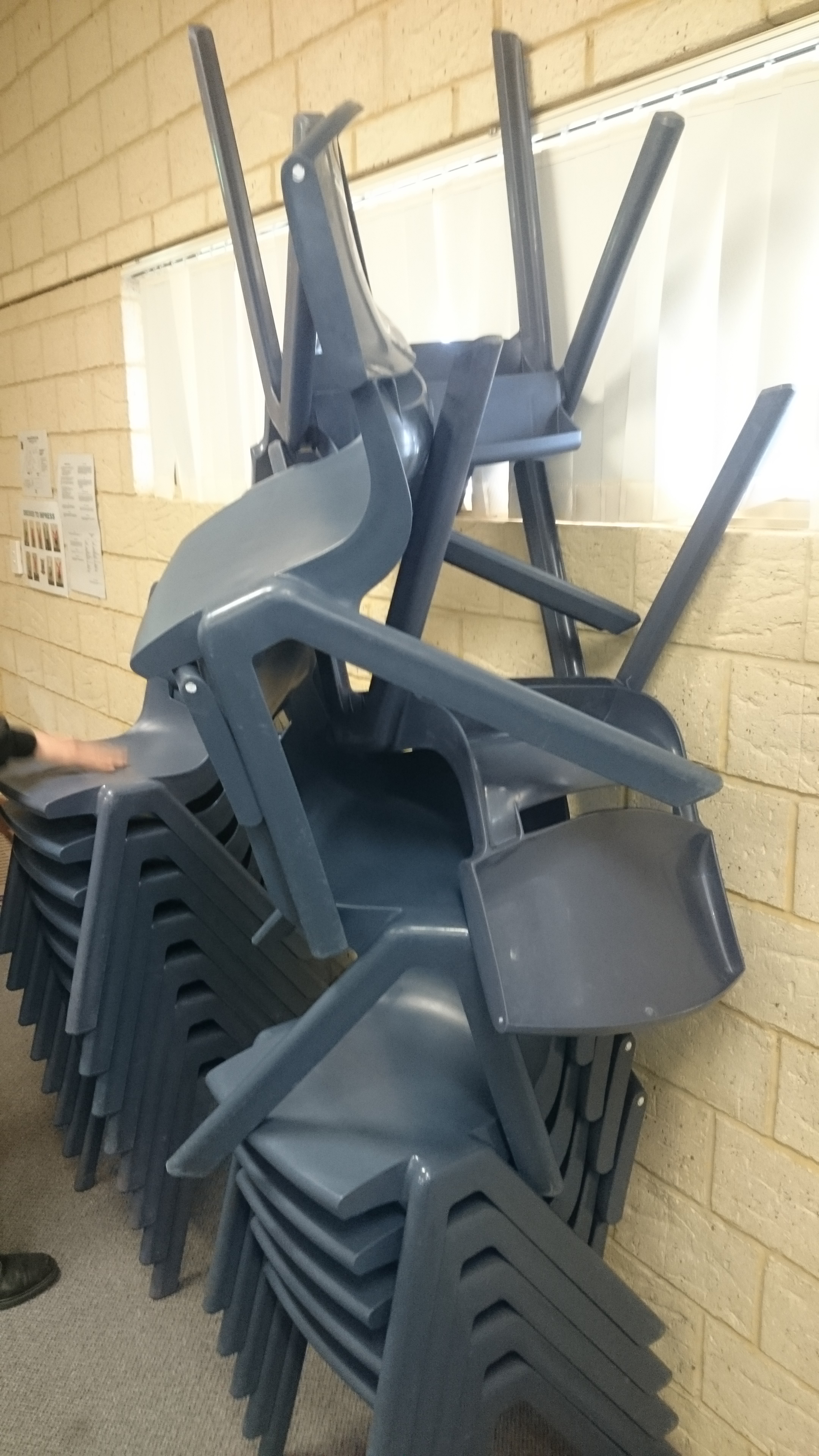
Stacking chairs: last lesson of the day via Hemingway and a bullfight

It’s 34 degrees Celsius, 27 students have just arrived from double maths, it’s the last period of the day. They are like prison inmates smelling freedom for the first time. Grown men have taken flight from less terrifying prospects than trying to teach English under these circumstances.

wpid-dsc_0626.jpg
… , then Devon starts throwing the pieces of an eraser he has been meticulously slicing into cubes at Jonathan on the opposite side of the classroom. Jonathan has been drawing a dragon, that’s really quite cool, and looks with bewilderment up at the ceiling which gets the trebuchet crew to begin buckling over in restrained laughter. Meanwhile Alice is deeply engaged in coversation with Molly who, having caught my stare, is feigning interest while under the desk her hand is trying to shush her friend or at least draw her attention to me. Jill, Skye and Candice, bless them, are disassociating from the class by focusing on me with such intent it’s quite unnerving. Jack and Ben are duelling light sabers that look just like pencils, their sound effects are fantastic!
I sense a disturbance in the force paduans, put aside your weapons, someone may get hurt. As I walk away I can hear the light sabers deactivating.

With faultering enthusiasm I explain how Hemingway’s writing is like an iceberg. Most of what’s important is not written, not seen, we have to fill in the gaps…
Like the gaps between Tony’s teeth? Josh shouts.
Tony, your teeth are fine, unlike the gap between Joshua’s ears. Josh leads the laughter, I smile, high five him. Ok, we’re on.
Hemingway loved bullfighting. One of his mates was gored, got a horn where you don’t want one. They’re sufficiently intrigued. A little blood goes a long way, and I am in blood stepped so far I must go on.

Sometimes, the bull wins. The bullfight is a metaphor for life,
Picasso was intrigued by the bullfight as well. The matador has ten minutes to make a clean kill. As the frothing, bleeding ton of muscle charges you, you must stand your ground and drive the sword behind the neck down into the heart.
I demonstrate the swirl and downward thrust with the board ruler, quite elegantly I believe.


Sir, if there was a bull here, I reckon you’d be dead.


Thanks Davo for that vote of confidence.
Undeterred I continue. You know, sometimes school or reading a novel for English can feel like being chased by a bull. What do you do?

You grab a white-board ruler and stab it sir? Josh says, he’s on a roll.

You do whatever you need to do, but you stand your ground and do it, I say.

Just “do it” Chris jabs Donovan in the ribs, raucous laughter ripples through the class.

Yep, that’s how you fight your bulls.

Then one day you wake up and realise that all this stuff you’ve been doing, is actually for yourself. That’s a great moment, one I hope you all have. It’s about looking at things differently. Changing your perspective …


The end of the day arrives and I ask the students to stack their chairs. A daily ritual to acknowledge the people coming in later to clean, a nod of thanks and a closure. They stack their chairs. Some of them show me they’ve listened to what I’ve said. They’re looking at things differently, and I’m the richer for it. Thanks guys, you make me smile from the inside out.
wpid-dsc_0614_4.jpg

‘Freedom of expression’ – the word game.

The Universal Declaration of Human Rights defines freedom of expression as “the right of every individual to hold opinions without interference and to seek, receive and impart information and ideas regardless of frontiers.”

This proclamation represents an ideal, not a reality. It is one worth striving for and the greatest obstacle in the way of realising it is not the brutal self-righteousness of zealots on both sides of the debate but the assumption that freedom has no perameters. As long as there is anywhere on this planet a group of people whom we cannot accept as The nature of language determines that not everybody understands the same thing when using the same words. “Expressing” opinion is different to “holding” opinion. We tend to expect that the latter is implicit in the former. Expression is the verbal notification of intent and action is always performed according to strict rules of conduct. Speaking one’s mind always occurs within a specific context. The net of rules governing speech and action prevent thugs from bullying others into submission. History confirms the danger of the rule of bullies. It is at this point that the ambivelence between speech and action emerges. At what point and where do we place the limits of expression? The truth is that we are easily offended and that in most democratic states we have favoured protection of the condition of being offended over the condition of speaking. Generally, we are more afraid of offending than speaking. We don’t yet fully undertand what freedom is. A free society is not one where every person speaks the opinion they hold at all times. Rather, it is a society where opinions are expressed with the understanding that because they may be expressed, they will also have consequences. Freedom is not the abandonment of rules or boundaries. It may be worthwhile remembering that there are very few universal human truths. There are only notions that communities favour as a preferable over others. Everything we consider to be a social truth is a temporary construct reflecting little about the human species but everything about the group to which we belong. We (insert here the proper noun that names your group) have never had complete freedom of expression. It is a romantic and nostalgic illusion. We can neither say nor do as we please. Leadership, for example, is easily offended and blankets the choking of criticism under the guise of national security, protection of … yada yada yada. Once upon a time governments that currently espouse the concept of democracy as a political ideal traded in human slavery and legislated racism. Social truth, like political correctness is fickle. What feels like an insurmountable obstacle today is gone tomorrow and our collective memory is very short. In the context of human history, the commodity of equality has only recently been purchasable by many. And we do buy “equality”. We buy citizenship and equality monthly and render payment as taxation. In return we receive the right There is an old Cold War joke that is chillingly apt. An American talking to a Russian claims the virtue of being American. “I can stand in front of the White House and shout out that I think the American President is a fool and I will not be arrested. I am free to say that!” The Russian replies, “I have the same freedom in Russia. I too can stand in front of the Kremlin and shout out that the American President is a fool and nothing will happen to me.” We claim freedom but not everyone’s understanding of ‘freedom’ is the same. Ultimately, aside from a dangerous minority of thugs (let us not elevate bullies and stupid people beyond that) most of us have never thought too much about freedom of expression. Most of the time we don’t have original opinions on anything and most often we are more scared of offending others than saying what we feel or believe. The freedom of expression ‘debate’ is not a debate. It’s a semantic play-pen.It is a dog chasing it’s tail confusing movement with action. You can hold anything you want, but drop it on someone’s foot and you’ll regret it, get punched, sued or fined. Then it doesn’t matter whether you had the right to hold it or not. Then it’s a different discussion. 20130706_161834

We’re all refugees.

image

From somewhere in the stratosphere,  we humans must surely resemble ants. We move with purpose and yet we probably appear to be quite random,  chaotic even.

We labour to improve our world. A world that extends about five metres in all directions around our feet. We know the world is bigger than that, but we don’t really live in that world. We think we do though. We entertain thoughts of global citizenship via our mobile phones or laptops. It usually ends there.

On the way home we stop by the local shop for milk, bread, chocolate … we refuel, remember stuff we never did, watch cute pets on Facebook, like things we will have forgotten in ten minutes, eat, talk, sleep.

Then there are refugees fleeing Syria, kids drowning, ISIS blowing up World Heritage sites, idiots running for president, announcing their intention to run, “Run Forest!”, politicians trashing one another, more shootings in America, shooters running, presidents shooting their mouths off, suppressing the desire to run. Then buying eats, rechocolating, facing something, watching hostile people eat cute pets, fuelling animosity, buying kids, wanting to drown politicians, blowing out birthday candles in the wind while stuffing memories of forgetting to … where is the world now and how? Surf the world wide Web. Connect.

Seeking refuge from the world in, in this… running for the safe place where the world goes by quietly without wanting something from you. Unburdening the weight of the world.
Places to see.
Where in the world do I go when I can go anywhere?
Where do I come from? Or Belong? Stop.
Go back to where you came from.

Where do we come from we asked our parents once when we were very small and meant more than our biological origin I suspect. But our parents, and ourselves since then, always say the ‘when moms and dads ‘ thing because we’re not really sure. I mean being on this 110 000kph planet in what? In space, cyber, empty, infinite vastness of whatever then we die but before that we get the stuffing knocked out of us while dreaming of a better life somewhere else and there’s no such thing actually. So, this kid asks me where I come from and I don’t even know where I’m going because soon… So I say there is this egg and sperm and, just then, or maybe it’s 20 years later, who knows? I. I see these thousands of people running away, they’re walking when I see them, and they’ve been bombed and I know they’re human cos by now I know what humans look like and they’re them, and then there’s this discussion about the land and identity, and I imagine ants fighting over bricks. I don’t know if ants are territorial? Are they? I never saw ants fight. Mind you , I wouldn’t know because they might be fighting and it looks like they’re just carrying stuff. Maybe inside their network of tunnels they have strategies for outdoing other ants and maybe there are some clever ants who can argue how they actually own the planet.

I mean it’s possible. Maybe they do. Maybe after we’re dead our ash and ex bodies become ants and we keep on fighting. It must be important. It’s probably right that everyone just goes back to where they came from. Easier that way. We all do any way.
Don’t step on them ants.
image

Posted from WordPress for Android

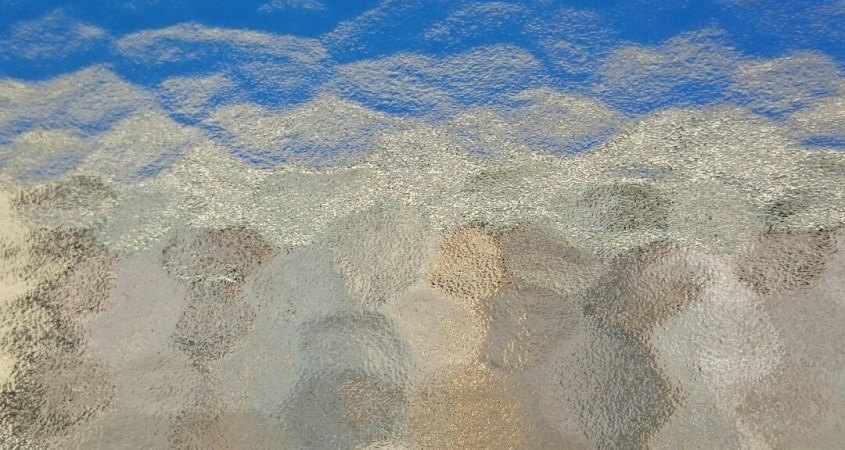
Not looking, through frosted glass

Here is evidence of suburban topography; an exploration of surfaces. A simulacrum of soul.

wpid-dsc_0591_5.jpg

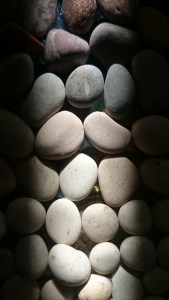
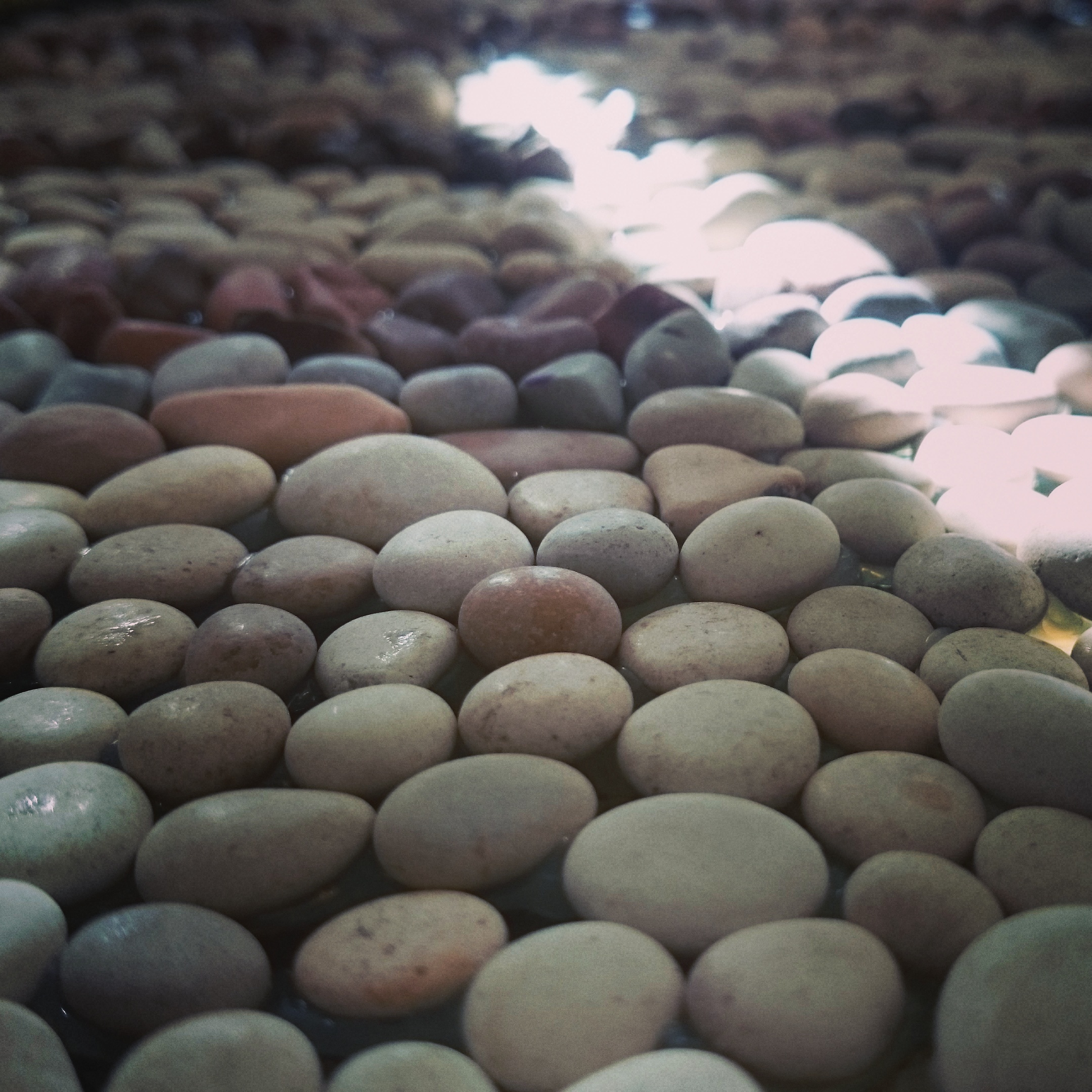
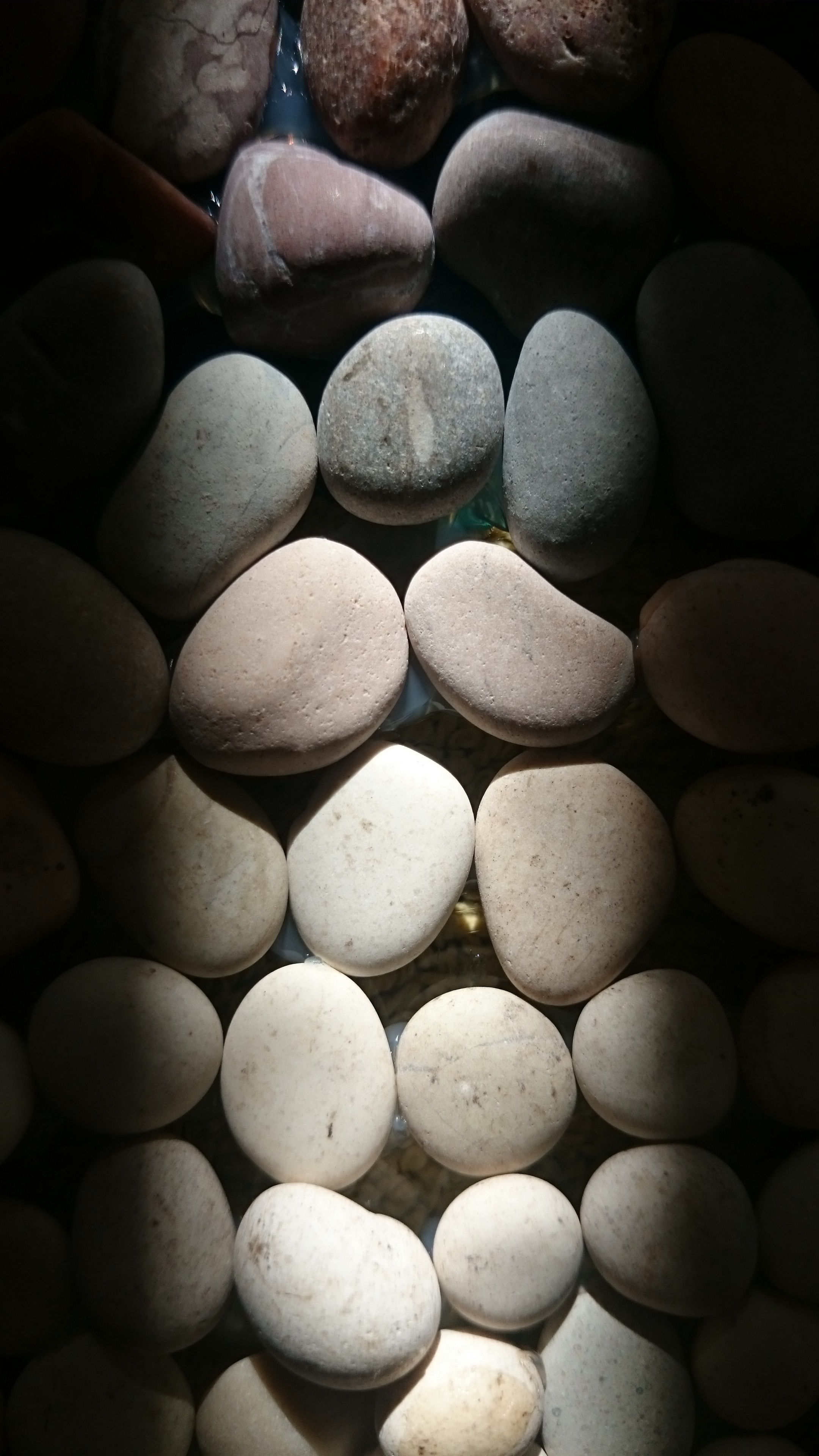
I covered a round glass table top with small stones; touchstones for memory. Sensory evidence.

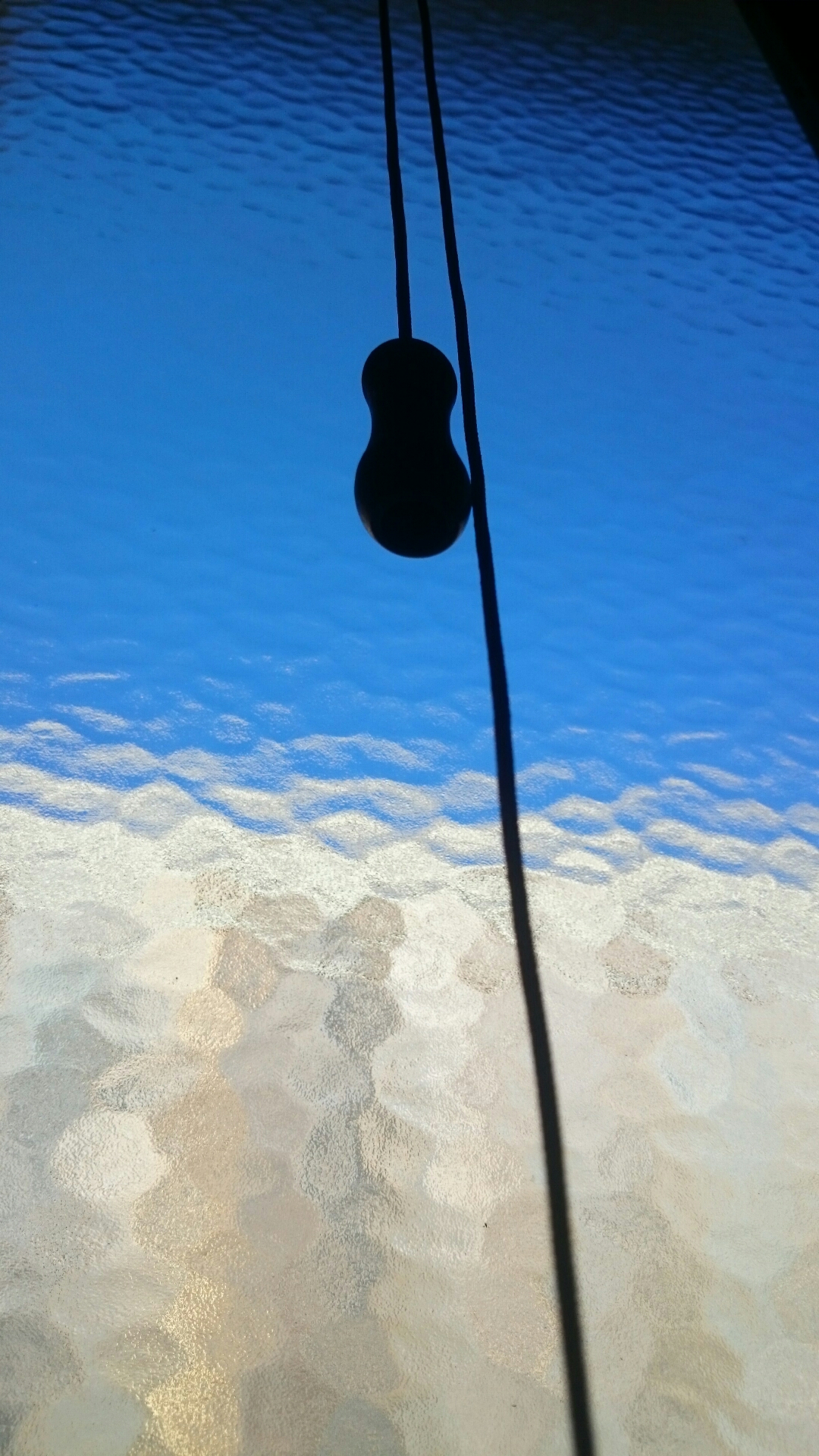
wpid-img_20150802_205223.jpgThen I was here in this room transfixed by shadows and light and swirls of cord around a dark knot. The manifestation of an inner dialogue, braking and grinding cerebral cogs. Like this tangled pulley system:

wpid-dsc_0751.jpgThis is absurd. This interminable process of observation and reconstruction. Then the sharing of it through a blog. Life through a frosted glass …
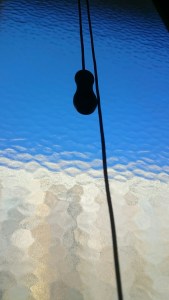
wpid-dsc_0743.jpg

… i begin to look at what’s always been here; there? Reviewing. Going in closer for the kill. Changing the angle,

wpid-dsc_0745.jpg

I need never leave this room. The cosmos unfolds itself magnificently here.

Two views of a wooden wall.
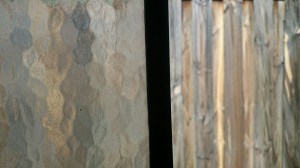
wpid-dsc_0749.jpgTwo perceptions, two receptions, tour of deception.

First time in three years I noticed this. What else have I not seen today, yesterday, the day before …

Why did I notice this today? What was I looking for? I wasn’t looking for the wall – it’s always been there, here … I suspect? I was looking elsewhere. A place less defined; a space within. I’m not sure of the difference between within and without. When I took this photograph I was inside looking out. Looking out while searching within? Where is the inside of us? Is it something like the ‘cloud’ where we keep our data, our documents and our photos? If it is, as was explained to me, in buildings all over the world, why call it a cloud? We understand what we can’t explain through metaphor. The ‘web’, ‘the net’, ‘seat of the soul’, ‘truth’,    ?    ‘indoor plumbing’.

Language forms our understanding of the world. Prevents us from understanding the world. Enlightens us, keeps us in the dark.

This window lets light in. I’m going within. I’m looking out. Prepositions locate our bodies. Am I in my body, or just wandering through it the way I walk around my house staring out of windows finding walls I never knew existed?

wpid-dsc_0746.jpg

Light is narrative.

wpid-dsc_0589_4.jpg

The lack of clarity liberates. I think sometimes it is better not to see the world clearly. I think I understand Jackson Pollock and Kandinsky and Malevich and will build a room with frosted glass for walls and for the ceiling too so that I might for the first time see the world for real.

But I won’t. I have neither the money, the plans nor the building skills. But …

I do have a roof. Here is a photograph of the roof of our boat house. Three winters ago strong winds nearly ripped it off. I paced a cement statue on it for stabilisation. There is no boat beneath the roof.

wpid-20151001_093038.jpg

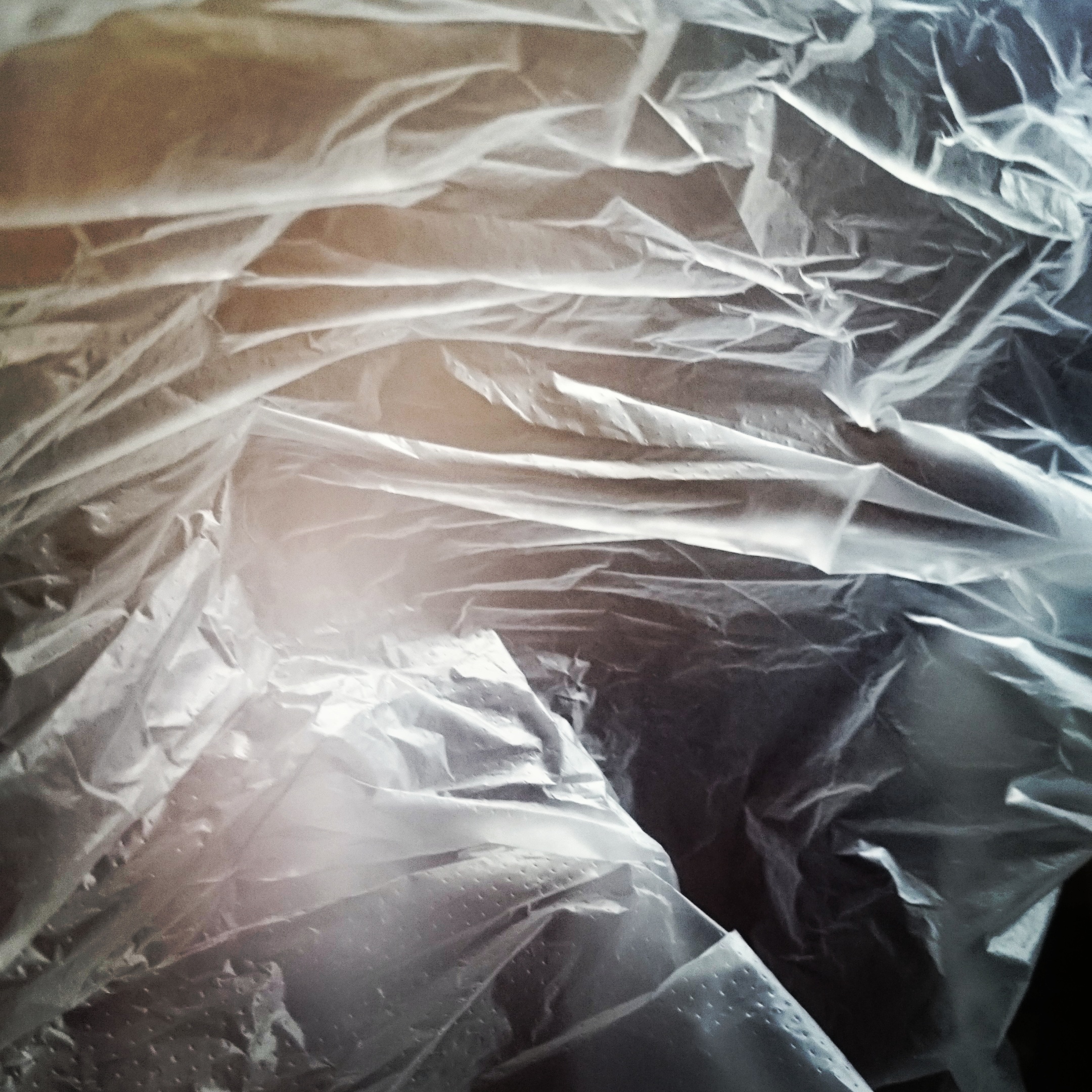
Here is a fruit bowl. The fruit still in plastic with folds as delicate as crushed linen.
wpid-img_20150831_211531.jpg

Here are the elephants we bought in Mumbai where we walked in the warm rain of monsoon along The Queen’s Necklace and afterwards sat in Leopold’s Cafe with ice cold Coca-Cola and the warmth of gratitude.

wpid-dsc_0613.jpg

Somewhere in India a tree was cut down then someone brought these elephants out of the tree and we saw in them our connection with elephants in Africa where we were once chased by an old rogue who was camera shy and we spent some of our most intimate moments watching elephants, introducing our children to their grand elegance while camping in a reserve where some of our best memories of being alive were made. Now the elephants from India, like us, are 6000 km from that bush and when we notice them we might remember that once herds of elephant were commonplace, but not anymore. That is why we don’t always allow ourselves to notice them because the loss of elephants is sad and no matter the beauty of these wooden ones, they only point to what we left behind. So I keep these artefacts at a distance or in cardboard boxes for 6 years.

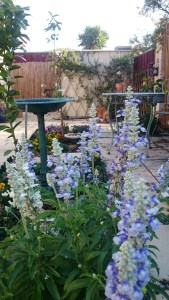
I am learning to let go of what was and take hold of what is . There’s a lot of beauty here.
wpid-dsc_0726.jpg

wpid-img_20150717_114240.jpg

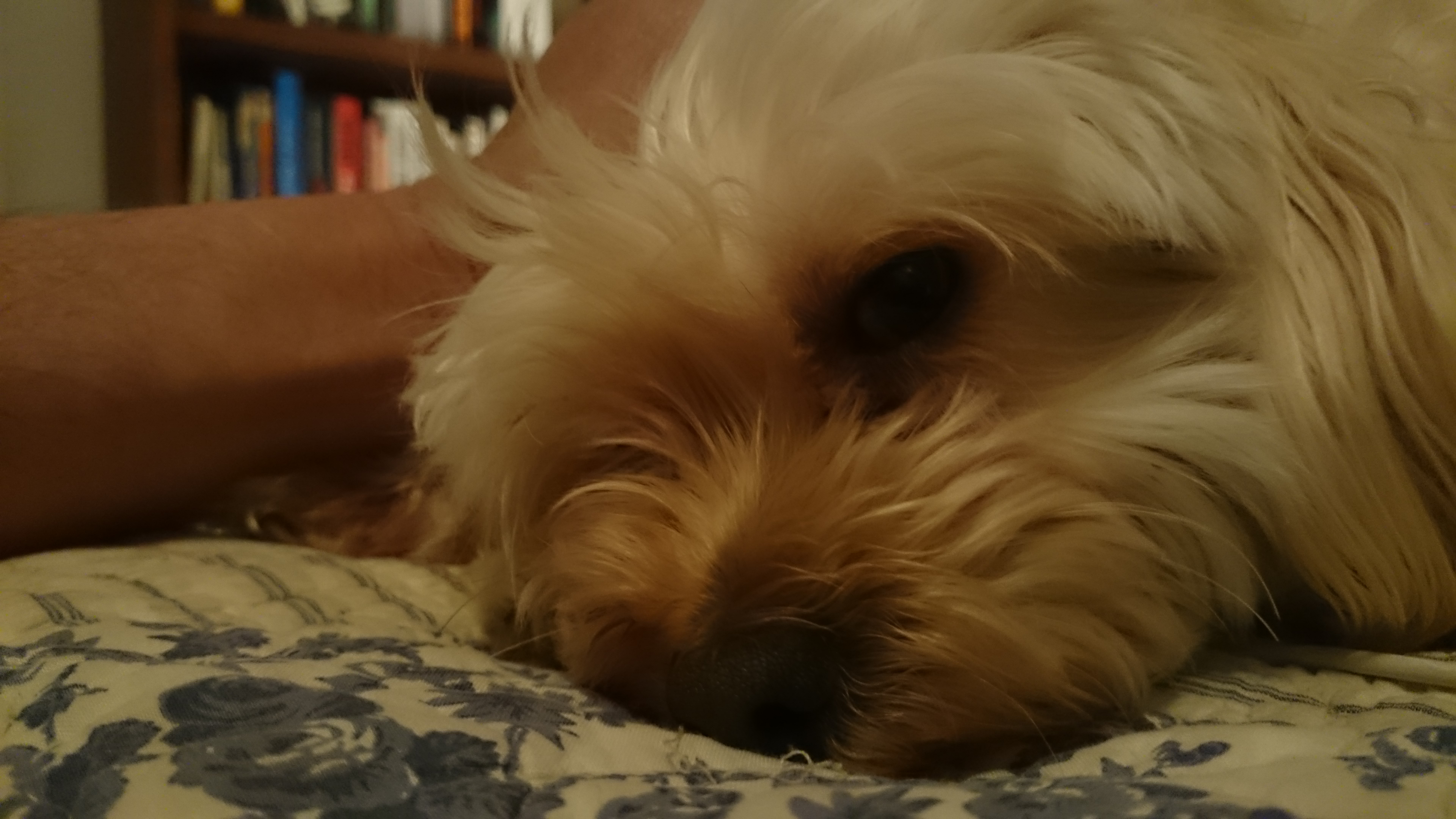
There is also this, my dogs remind me that the patina of futility which sometimes coat ‘s my vision is an illusion.
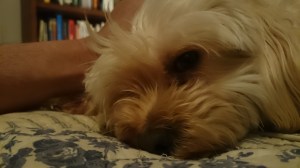
wpid-dsc_0609.jpg

then there was rain during the night and the drops on these leaves reminded me that finding beauty in the world is not about looking for it. You have to be not looking, through frosted glass.

wpid-img_20150811_200505.jpg

By Mike Scallan

Agitating the dust: music, text and geometry

wpid-dsc_0052.jpg
Try doing this. Try describing a musical symphony that is surreal in orchestration. Imagine a composition based on 4 geometric concepts: the line, square, cube and tesseract (a four dimensional hyper-cube).

Go!

Welcome to the world of Dane Yates, gifted composer studying at the West Australian Academy of Performing Arts (WAPA).

His work involves a restructuring and manipulation of everyday sounds into surreal musical experiences by way of his classically trained mind. His work is complex, riveting and like nothing I have ever heard. He inhabits the spaces between words and this is what has drawn me to his enigmatic creations and led to this second collaboration with him.

In the same way that the avant-garde impressionists of the late 19th century invited us to see art by closing our eyes, Yates invites us to hear his compostions by experiencing them. His Tesseract Symphony is beautifully paradoxical. It occupies the vast landscape between words, yet uses words and sound to navigate us there. According to Yates Tesseract “cannot be viewed as a piece but rather perceived through experience.” The symphony, like the four dimensional shape, consists of four movements with each movement having a quartile symphonic form. It is “presented” in four separate but parallel rooms where the audience are free to roam between rooms.

Here is the text I wrote, in four parts, for the Tesseract symphony.

Four movements

I speak to you from our past so that I may begin to see beyond it. The line between us seems just here and infinitely distant. Ours is an ebbing, flowing jig: a ghost’s waltz, retroceding still proceeding. Draw back as I advance; go away.

Lines

Einstein described both atoms and people as events. An atom and a policeman were both events to him. Time is the stuff between events. Between any two people there is the thread of time that binds them together. These threads, these lines are the invisible connectors of humankind. There is only one place where time does not matter, does not exist – within a singularity. The singularity is an event where time, space, matter, light and all the stuff of the universe lose their relationship with everything else and become everything. Black holes are singularities. They suck in light and gravity and nothing escapes them. They are a singular event beyond which the great mystery of existence deepens. They are, rather poetically, referred to as Event Horizon. As long as there is one other person in the world beside your self, there will be time and there shall be history and hope and the chance of happiness and the certainty of misery. The line between you and I is the template for all life. Perhaps you are my black hole.

Square

I gather up the lines I crossed with you: your body, your mind, your soul, and your fury. I heave and throw them away and away and away. But, you are heavier than gravity. The force of you re-forms our debris to a flat square containing what’s left of us. I think ‘us’ was not real. We never were such a union. We were lines plummeting in parallel, falling towards hell. Hell is a square; sharp edged containment. A rough mat on which to fight and bleed. The cat sat on the mat. The bat shat on the cat. The mat, the cat and the bat … How absurd everything has become. How silly and how little we really are located against the vastness of nothing in particular. I suspect I hate you. Hate is hurt; love reversed. I exorcise my hurt thus; I compose a singularity of awful proportion. Here fragments of everything collide. I re-enact the Big Bang to start myself anew. I terrify myself, throw all into the void and let it fly. I destroy the square, the little, languid lines.

Cube

I shatter this square. I find now it has six sides and twelve lines, always. I flee Structure. I despair at the geometry of existence. My rage is a mad dance, a furious slight spark in the black void. Two flints clicking feebly. A door slammed against a vacuum. I am spent. Let there be light and night. Creatio ex insania. There were sides of each other we never saw. Why did we expect simplicity?

We are born out of chaos into brine.

Tesseract

There hang the endless loops of words. Those spoken, those locked, restrained and unsaid slide and fall interminably and float suspended, dangling at the edge of now. Condensation from our overheated souls roll forever over infinitely rotating sides. We are interlocked cubes from whose sides we slide, into the abyss.

If there are lines connecting all of humanity, imagine a world wide web. Imagine then that you are my tesseract. Imagine these threads ensnaring you. With you it is all distance with height and depth as well. There are angles and dimensions I have not yet been to, nor intend to visit for that matter. It is the ghost of the thing, the same again in unimaginable space. It is hell or a dance; I will remain put here on this spot. Let the universe spin, I shall settle for the divine illusion of stillness and deny the deception of action. Against the infinite expanse of elegant geometry, what are we? Fleeting arcs of agitated dust. I am entropy, dissolution with consciousness. The great deceit of our species is that any movement in any direction matters.

DSC_0295

Sod Sisyphus

P1120875
I used to have a teaspoon hanging from my classroom ceiling for many years. One winter morning a window was broken by a cricket ball and I placed a masking tape frame around the hole and beneath it a sign reading “where was this hole before the window broke?”

When students asked me why there was a teaspoon hanging from the ceiling I told them that if I had left the teaspoon on the floor no one would have seen it. This answer frustrated them immensely. Sometimes I would direct their attention to another sign I had stuck to the ceiling which read: ‘It takes longest to see what is closest to you.”
This usually generated very interesting discussion and debate that would sometimes find it’s way back to Fitzgerald, Shakespeare or the poem I was teaching at the time. Truthfully I was as eager to understand why the teaspoon hung from the ceiling as much as my students were. I was curious to see what else a simple teaspoon could become. Original ideas and discoveries have been birthed from looking at the ordinary with new eyes. I think it’s why time seems to pass quicker as we age, there seems to be less and less ‘newness’ in the world. Perhaps the world becomes, after a while, not what it is but what we expect it to be. Familiarization renders everything invisible and for us to regain our sight we must learn to see new things with old eyes. e.e.cummings explored this wonderfully in his poetry by ignoring the traditional rules of grammar in order to infuse old words with fresh vitality. During the late twentieth century we experienced the post-modern panic of a world where everything had been said and done. We briefly entered the mind of Sisyphus, that tragic figure of Greek mythology destined to roll a boulder up a hill and once it rolled down, back up again for eternity .His is a bleak world and especially grim when modern life can feel as though we are caught in a surreal nightmare of repetition. Life loses its brilliance, colours fade and days bleed into weeks into years. However, the world is not thus-we have made it so. Consider the possibility that when the world seems mundane, that you are observing it in a state of pause … temporarily frozen. Originality is not a characteristic of the world, it is not innate in any object; rather it is characteristic of thinking, a way of looking. I always encouraged my students not to look for answers because answers are easy; anyone can find an answer. Instead I urged them to find the right question. “But what’s the answer?” someone once shouted in frustration. “Excellent!” I said, “that’s better”.

Dear reader

image

Conventional wisdom states that a successful blog depends on regular posts. That makes sense. Regularity maintains a strong presence, hones one’s writing skills and is just good discipline.

However,  I only write when I have something to say. I’m still here,  just quiet for now.

Catchya later

Posted from WordPress for Android

[a teacher's sonnet] by Dane P. Yates on SoundCloud – Hear the world’s sounds

http://wp.me/p3ymuW-dm

Posted from WordPress for Android

Hamlet’s soliloquy, condensed

http://wp.me/p3ymuW-eh

Posted from WordPress for Android

Leonard Cohen: 10 of the best

Leonard Cohen: 10 of the best

http://gu.com/p/4857h

Posted from WordPress for Android

Windows of the soul

image

Sometimes images say more than the words I seek.

Posted from WordPress for Android

Shelf portrait: how to smile

image

We walk, breathe and go about our daily business as if we were immortal.  We are not.  The immediate comforts around us are likely to change.

How does one cope?

1. Remember you are more than the memories that have formed you.
2. Be kind,  if possible, be gentle with yourself. You have made it this far, congratulate your achievements.
3. Find old friends,  adopt a pet.  Find warmth.
4. If you’re tired,  sleep.  Stuff all the new studies.
5. Buy yourself a kindersurprise chocolate,  or a toy you have wanted for decades.
6. Be happy you are alive.
7. All those gripes about the world.  Move on.
8. Find beauty in simplicity
9. Avoid people that complain.
10. Never take yourself seriously.

Mike Scallan

Posted from WordPress for Android

Hamlet’s soliloquy, condensed

image

Posted from WordPress for Android